Introduction
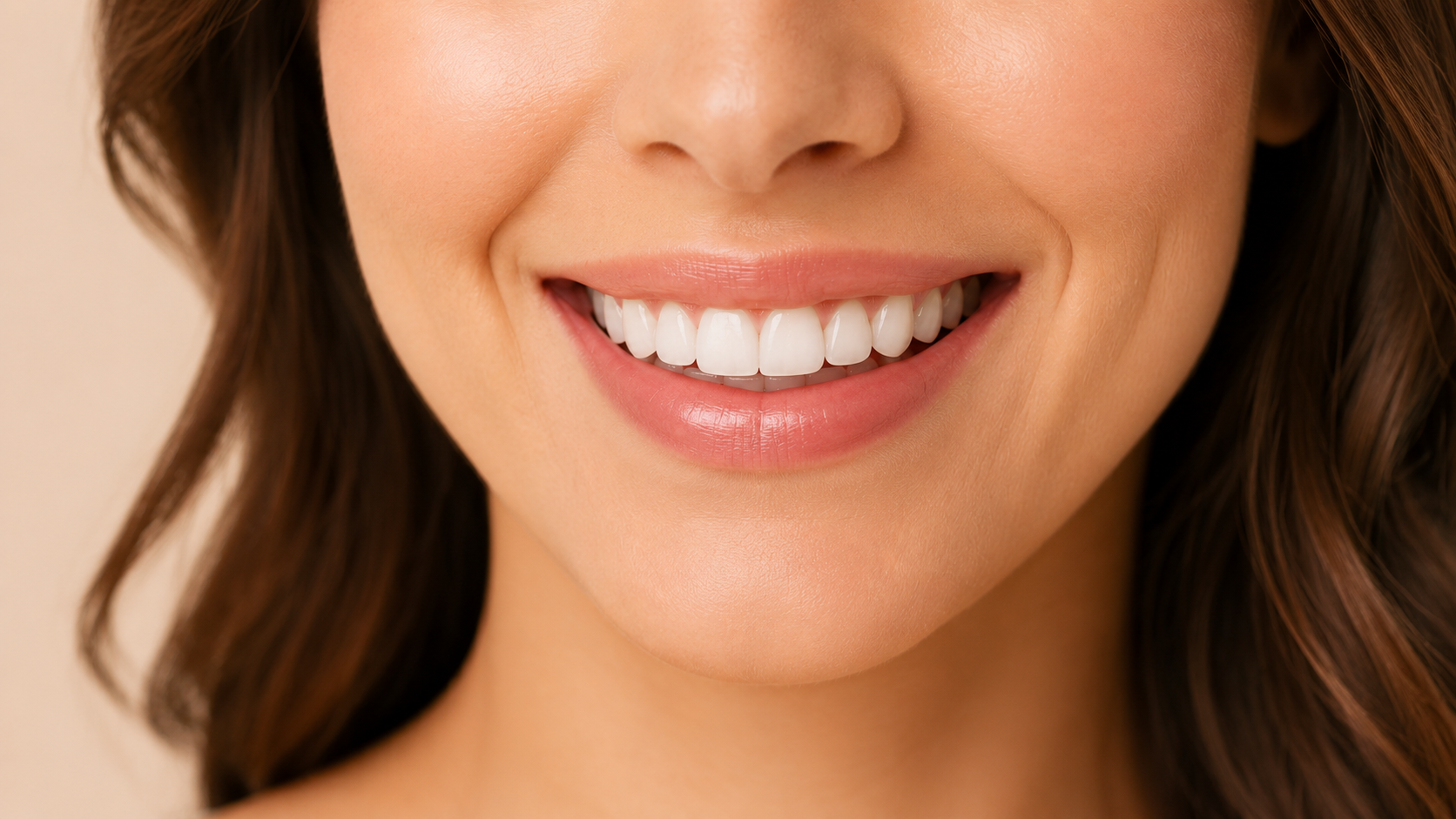
For many patients all around the world, a beautiful smile is not only about having whiter teeth. It is about harmony: the way the teeth frame the lips, the proportion between each tooth, the brightness of the smile, and how natural the final result looks in real life. That is why smile design with ceramic veneers has become one of the most requested treatments among patients who want a refined, durable, and personalized aesthetic transformation without making their smile look artificial.
Ceramic veneers are thin, custom-made restorations that are bonded to the front surface of the teeth. They can improve color, shape, size, alignment, and overall symmetry. When planned correctly, veneers do not create a generic smile; they help design a version of your smile that fits your face, your personality, your age, your bite, and your long-term oral health goals.
For patients living in the U.S and Europe, Colombia has become a highly attractive destination for advanced cosmetic dentistry. The key is not simply traveling for dental care; it is choosing a specialist who understands high-end restorative planning, digital smile design, ceramic materials, and the expectations of international patients. Dr. Felipe Márquez focuses on cosmetic and restorative dentistry for patients who want predictable, natural-looking outcomes. You can learn more about his professional profile on the About Dr. Felipe Márquez page.
What are ceramic veneers?
Ceramic veneers are ultra-thin shells made from high-strength dental ceramic. They are designed to cover the visible surface of selected teeth, most commonly the upper teeth, although the treatment can also include lower teeth depending on the case. Ceramic is used because it can reproduce the translucency, texture, and light reflection of natural enamel more closely than many other materials.
The purpose of veneers is not only to make teeth look whiter. A well-designed veneer treatment can correct small gaps, worn edges, uneven tooth length, old composite restorations, minor rotations, stains that do not respond to whitening, and teeth that appear too small or irregular. Because each veneer is individually designed, the final result can be subtle, expressive, youthful, elegant, or highly polished depending on the patient’s goals.
Patients who want to explore this treatment in detail can visit the dedicated porcelain veneers service page for more information about the aesthetic approach and treatment options.
Why does smile design matter before placing veneers?
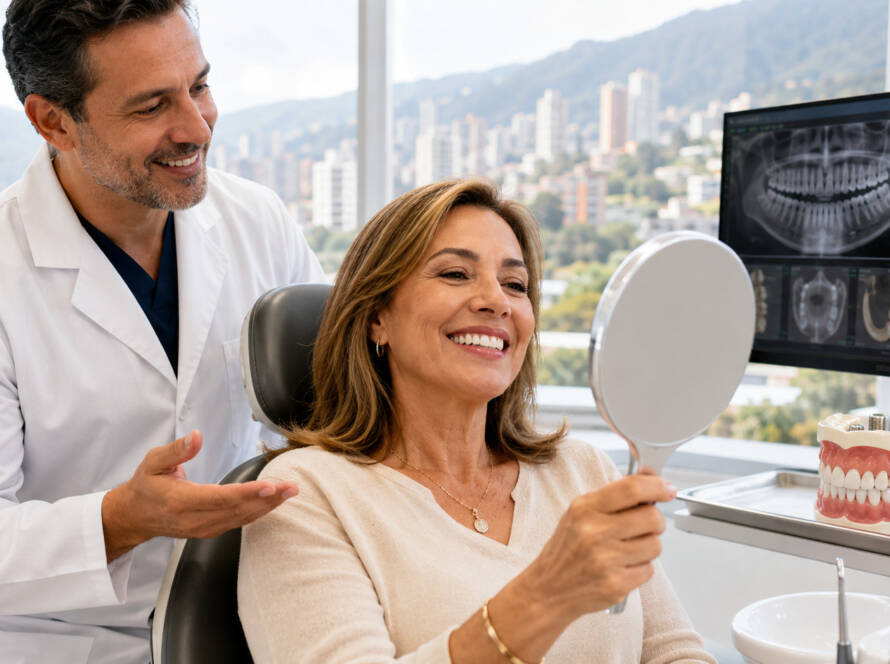
A smile design is the planning stage that helps avoid one of the most common mistakes in cosmetic dentistry: treating teeth as isolated objects. A smile is part of a face. The same tooth shape that looks beautiful on one person can look too wide, too bright, too flat, or too artificial on someone else. Smile design evaluates the entire composition before any ceramic work is fabricated.
During the planning process, the specialist analyzes facial proportions, gum display, tooth color, midline, lip movement, tooth length, smile curve, bite, and the condition of the enamel. This allows the treatment to be customized instead of copied from a template. For international patients, this planning is especially important because many decisions must be made efficiently and accurately before travel dates are confirmed.
Digital tools can support the process by helping the patient visualize the proposed changes. However, technology is only useful when it is guided by clinical judgment. The best smile design is not the one that looks most dramatic on a screen; it is the one that can be executed safely, maintained over time, and integrated with the patient’s oral function.
Who is a good candidate for ceramic veneers?
Ceramic veneers may be a good option for adults who have generally healthy teeth and gums but want to improve the appearance of their smile. Good candidates often have discoloration, small spacing, mild shape irregularities, worn incisal edges, old composite restorations, or teeth that look short or disproportionate. Veneers can also help patients who feel that their smile does not match their personal or professional image.
However, veneers are not the solution for every case. Patients with active cavities, gum disease, severe bite problems, heavy grinding, very large restorations, or significant tooth loss may need a different plan first. In some cases, orthodontics, whitening, gum contouring, crowns, implants, or a broader full mouth rehabilitation may be recommended before or instead of veneers.
This is why a complete evaluation is essential. A veneer case should begin with a diagnosis, not with a shade selection. If the foundation is healthy, the ceramic work has a better chance of looking natural and lasting longer.
The ceramic veneer process for patients from the United States
Patients traveling from the U.S. usually want a process that is clear, organized, and respectful of their schedule. The first step is typically a virtual orientation or appointment request, where the patient shares photos, concerns, expectations, and any recent dental information. This helps determine whether ceramic veneers may be appropriate and what type of timeline is realistic.
The in-person phase usually includes clinical examination, photographs, digital scans or impressions, shade analysis, and smile design planning. A mock-up may be used so the patient can preview the proposed shape and volume before the final ceramics are made. This preview is valuable because it turns the conversation from abstract preferences into something visual and practical.
Once the plan is approved, the teeth are prepared only as much as needed for the selected ceramic design. In conservative cases, preparation can be minimal. Temporary restorations may be placed while the final veneers are fabricated. At the bonding appointment, each veneer is checked for fit, color, contour, and symmetry before final cementation.
To begin planning, patients can use the book an appointment page and request guidance on photos, travel timing, and treatment expectations.
Why ceramic veneers can look more natural than quick cosmetic alternatives
Many patients compare veneers with composite bonding, whitening, or orthodontics. Each option has value, but ceramic veneers offer a specific combination of aesthetics and durability. Ceramic is highly stable in color, resists staining better than composite resin, and can be layered to imitate the optical properties of enamel. This makes it suitable for patients who want a long-term aesthetic upgrade.
Natural results depend on details. The edges should not look bulky. The shade should not be flat or overly opaque. The gum line should remain healthy. The tooth texture should interact with light. The smile should look attractive both in close-up photos and in normal conversation. These details require planning between the specialist and the dental laboratory.
A high-quality ceramic veneer should not call attention to itself. Ideally, people notice that the patient looks refreshed, confident, and healthy, not that the teeth look obviously restored.
Ceramic veneers, dental implants, and full mouth rehabilitation: how treatments connect
Some patients interested in veneers also have missing teeth, failing crowns, worn teeth, or bite instability. In those cases, veneers may be only one part of a bigger restorative plan. For example, a patient may need an implant to replace a missing tooth before completing the cosmetic design. Patients with missing teeth can review the dental implants service page to understand how implants support function and aesthetics.
Other patients may need a more complete approach that rebuilds the bite, restores worn teeth, and coordinates veneers, crowns, implants, and bridges. In those situations, a comprehensive plan such as full mouth rehabilitation or full arch solutions may be more appropriate than treating only the front teeth. This interlinking between services is important because a beautiful smile must also be stable and functional.
How to care for ceramic veneers
Ceramic veneers are designed to be durable, but they still require care. Patients should brush and floss daily, attend professional cleanings, avoid using teeth as tools, and wear a night guard if recommended. Patients who grind or clench can place excessive force on ceramics, so protective appliances and bite adjustments are important when indicated.
It is also wise to avoid unrealistic expectations. Veneers are strong, but they are not indestructible. Their longevity depends on material quality, bonding technique, bite forces, hygiene, gum health, and maintenance. A patient who invests in a ceramic smile design should also invest in follow-up care.
Final thoughts
Smile design with ceramic veneers can be an excellent option for patients who want a natural, elegant, and long-lasting improvement in their smile. The best results come from a process that respects facial harmony, oral health, material selection, and patient expectations. For U.S. patients considering dental care in Colombia, planning with a specialist can make the experience more organized and predictable.
To explore whether ceramic veneers are right for your case, visit the porcelain veneers service page or schedule an appointment with Dr. Felipe Márquez.